





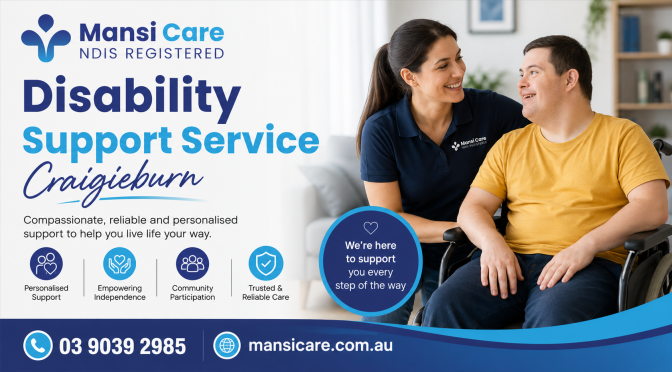
NDIS life skills training empowers individuals with disabilities to live more independently. These structured programs focus on building practical capabilities for everyday tasks. Participants gain confidence while developing essential skills for meaningful community participation. NDIS daily living skills training in Thomastown offers comprehensive support tailored to individual needs and aspirations.
Building Independence Through Practical Skills
Life skills training addresses various aspects of daily functioning. Programs teach participants how to manage personal care routines effectively. Cooking, cleaning, and household management become achievable through guided practice.
Key independence goals include:
- Managing personal hygiene and grooming independently
- Preparing nutritious meals safely
- Maintaining a clean living environment
- Using public transport confidently
- Handling money and budgeting wisely
Enhancing Social and Communication Abilities
Social interaction skills form a crucial training component. Participants learn appropriate communication techniques for different situations. Building relationships and maintaining friendships becomes more accessible through structured support.
NDIS daily life skills training in Epping focuses on developing interpersonal capabilities. Understanding social cues and responding appropriately enhances community engagement. These skills reduce isolation and promote meaningful connections.
Developing Employment Readiness
Life skills development and disability support prepare individuals for workforce participation. Training covers workplace behaviour, punctuality, and professional communication. Job-seeking skills, including resume writing and interview techniques, receive attention.
Participants gain confidence in their ability to contribute meaningfully. Understanding workplace expectations reduces anxiety about employment. These foundations support long-term career success.
Strengthening Decision-Making and Problem-Solving
Critical thinking skills empower participants to navigate daily challenges. Training teaches how to assess situations and make informed choices. Improved daily living skills, NDIS programs enhance cognitive capabilities progressively.
Problem-solving exercises build confidence in handling unexpected situations. Participants learn to identify solutions independently. This autonomy supports greater self-reliance.
Improving Health and Wellbeing Management
Understanding health needs forms an essential training element. Participants learn medication management and appointment scheduling. Recognising when to seek medical assistance becomes clearer through education.
The disability support service in Craigieburn incorporates disability life skills training effectively. Physical activity, nutrition, and self-care routines receive emphasis. These habits contribute to improved overall well-being.
Achieving Personal Goals and Aspirations
NDIS independence training Epping Melbourne recognises that each participant has unique objectives. Training adapts to individual aspirations and capabilities. Whether learning new hobbies or pursuing education, support remains person-centred.
Progress tracking ensures goals remain achievable and meaningful. Celebrating milestones builds motivation and self-esteem. This approach creates lasting positive change.
Transform Your Life Today
Ready to build independence and achieve your goals? Daily living skill programs in Epping provide personalised support for meaningful progress. Contact Mansi Care NDIS Registered to get your personalised skill development program. We specialise in NDIS daily life skill training in Epping, ensuring you have all the necessary skills you need to live a confident life. Call 03 9039 2985 for a quick chat.
Frequently Asked Questions
Q: How long does life skills training typically last?
Duration varies based on individual goals and progress rates.
Q: Can family members participate in training sessions?
Yes, family involvement often enhances learning outcomes and support.
Q: Are programs available for all age groups?
Training adapts to suit children, adolescents, and adults appropriately.
Q: What qualifications do trainers possess?
Trainers hold relevant disability support qualifications and experience.
Q: Can training occur in home environments?
Yes, many programs offer flexible location options, including homes.