





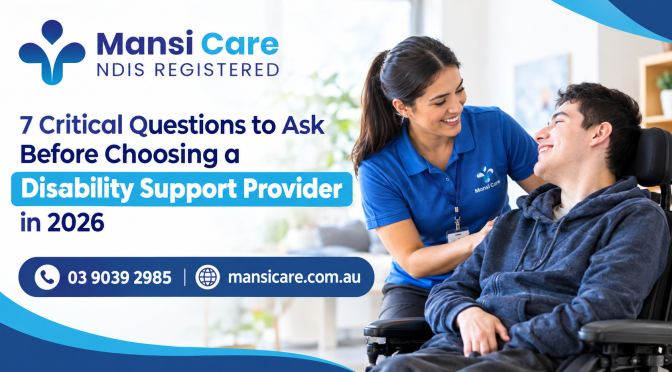
Selecting the right provider for disability support is one of life’s most important decisions. Your choice directly affects your quality of life and independence. Whether you seek help with daily living or specialised services, asking the right questions matters. Taking time now prevents problems and builds trust with your support team.
1. Is the Provider Registered and Accredited?
Verify that your NDIS registered provider in Melbourne meets all legal requirements. Ask for proof of current NDIS registration and insurance. Accreditation shows the provider follows quality standards consistently. Unregistered providers may not offer proper safeguards or accountability.
2. What Experience Do They Have With Your Specific Needs?
Request details about their lived experience supporting similar participants. Ask how long they’ve delivered specific types of support. Experience matters when handling complex or specialised requirements. Don’t assume all providers offer the same level of expertise.
3. How Do They Match Staffing With Individual Needs?
Enquire about their staff recruitment and training processes carefully. Ask whether workers receive disability-specific training regularly. Quality providers invest in ongoing professional development. Consistency in staffing builds stronger relationships and better outcomes.
4. What Are Their Communication and Feedback Systems?
An NDIS provider in Melbourne should have clear communication protocols established. Ask how they handle complaints and concerns respectfully. Request information about their feedback mechanisms and response times. Transparent communication prevents misunderstandings and builds confidence.
5. How Do They Ensure Participant Safety and Dignity?
Safety policies should be detailed and easy to explain. Ask about risk management, emergency procedures, and safeguarding. A reputable provider prioritises participant dignity in all interactions. Documented safety practices show a genuine commitment to protection.
6. What Is Their Approach to Person-Centred Planning?
Person-centred support means your goals and preferences lead decisions. Ask whether they customise plans for each individual’s aspirations. Providers should listen to your personal outcomes and preferences genuinely. Generic approaches won’t support your unique needs or growth.
7. Do They Have Financial Stability and Transparency?
Request clarity about how they manage funds and budgets. A financially stable provider continues to provide reliable services consistently. Ask about their fee structure and any additional costs. Transparency prevents surprises and builds trust over time.
Conclusion
Choosing the right disability support services in Melbourne requires thoughtful consideration. These seven questions provide a strong foundation for your decision. Your wellbeing depends on finding providers who genuinely care. Don’t settle for less than excellent service and support.
Ready to connect with quality providers? Contact Mansi Care today for guidance and support. Call us on 03 9039 2985 or email admin@mansicare.com.au. Visit https://mansicare.com.au/ to learn more about how we can help.
Frequently Asked Questions
1. What does NDIS registration actually mean?
Registration means the provider meets National Disability Insurance Scheme standards. It ensures legal accountability and quality safeguarding.
2. How often should providers update their training?
Disability support training should happen annually at minimum. Ongoing updates ensure workers know the latest best practices.
3. Can I change providers if I’m unhappy?
Yes, you can change providers anytime under NDIS rules. Your plan gives you this freedom and flexibility.
4. What questions should I ask about emergencies?
Ask how they respond to medical emergencies and crises. Know their emergency protocols and who contacts you.
5. How do providers handle my personal information securely?
They must follow privacy laws and protect your data. Ask about their privacy policies and security measures.
6. Should I meet staff before services begin?
Meeting staff beforehand helps establish rapport and comfort. Most providers arrange introduction meetings before formal support.
7. What happens if a staff member calls in sick?
Quality providers have backup staff and contingency plans. They shouldn’t leave you without support unexpectedly.
8. Can providers help with goal-setting conversations?
Yes, person-centred providers actively support you in setting meaningful goals. They assist in identifying what matters most.
9. How transparent should budget discussions be?
Providers must explain clearly how funds get used. Request regular statements showing spending and allocations.
10. What recourse do I have if complaints aren’t resolved?
Unresolved complaints can go to the NDIS Quality and Safeguards Commission. Providers should inform you of these appeal options.