





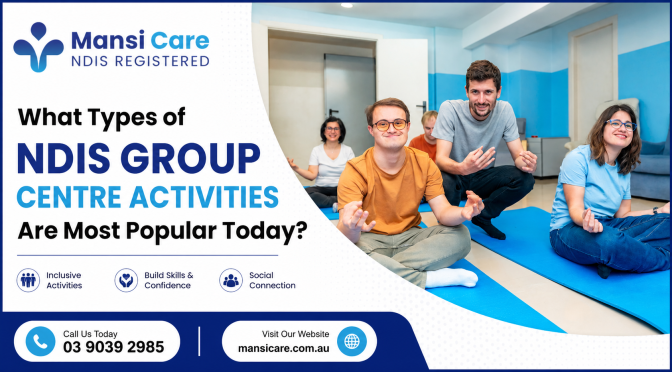
NDIS group centre activities have become a cornerstone of community participation and social development for participants. These programs offer incredible opportunities for people with disabilities to connect, learn, and grow together. Whether you’re seeking recreational programs, skill-building workshops, or therapeutic activities, there’s something for everyone. Let’s explore what’s trending in group activities right now.
Creative Arts and Crafts Programs
Creative expression through arts and crafts remains one of the most beloved activities among participants.
- Painting and drawing sessions help develop fine motor skills
- Music therapy programs encourage emotional expression and relaxation
- Dance and movement classes promote physical fitness and coordination
- Drama workshops build confidence and communication skills
Many an NDIS provider in Wollert report high engagement in these creative pursuits. Participants enjoy the freedom to explore their artistic side.
Sports and Physical Activities
Physical wellness is essential, and group sports activities are increasingly popular.
- Adapted swimming programs offer low-impact exercise and fun
- Basketball and soccer games encourage teamwork and social interaction
- Yoga and stretching sessions improve flexibility and mental well-being
- Walking groups promote cardiovascular health and outdoor exploration
Disability service providers in Wollert often organise these activities for varied ability levels. Inclusive sports help everyone participate regardless of physical limitations.
Life Skills Development Workshops
Practical life skills training empowers participants to achieve greater independence.
- Cooking classes teach meal preparation and kitchen safety basics
- Budgeting workshops help manage money and understand financial literacy
- Technology training sessions cover smartphone use and online safety
- Gardening programs develop patience and provide sensory stimulation
NDIS group centre activities in Donnybrook frequently include these educational components. Participants gain valuable skills they can use daily.
Social Connection Programs
Building friendships and reducing isolation are key benefits of group activities.
- Coffee catch-ups create relaxed environments for peer support connections
- Movie afternoons offer entertainment and shared cultural experiences
- Game nights featuring board games encourage strategic thinking and laughter
- Community outings to parks or museums expand social horizons
An NDIS group activities provider in Thomastown prioritises these social opportunities. Strong friendships often develop through regular participation.
Sensory and Relaxation Activities
Calming activities help participants manage stress and find inner peace.
- Sensory rooms with lights and textures provide therapeutic stimulation
- Meditation sessions teach mindfulness techniques for emotional regulation
- Pet therapy programs offer comfort through animal interaction
- Nature-based activities connect participants with the outdoors
These therapeutic interventions support mental health and overall well-being effectively.
Conclusion
The variety of group activities available today reflects diverse participant needs and preferences. From creative arts to sports and life skills training, there’s truly something for everyone. These programs continue evolving to meet changing interests and support holistic development.
Ready to explore these amazing opportunities? Contact Mansi Care NDIS Registered today at (03) 9039 2985 or email admin@mansicare.com.au. Visit www.mansicare.com.au to discover how we can support your journey.
FAQs
1. What are NDIS group centre activities?
These are organised programs where participants with disabilities engage in social, recreational, and educational activities together. They promote skill development and community connection.
2. How often do group activities typically run?
Most centres offer activities daily or several times weekly. Schedules vary based on participant preferences and available resources.
3. Can participants choose their preferred activities?
Participants can select activities that match their interests and goals. Choice and control are fundamental NDIS principles.
4. Are group activities suitable for all disability types?
Yes, activities are designed to be inclusive and adaptable. Providers modify programs to accommodate different physical and cognitive abilities.
5. Do participants need special equipment for activities?
Generally, centres provide all necessary equipment and materials. Participants just need to bring themselves and enthusiasm.
6. How do group activities benefit mental health?
They reduce isolation, build friendships, and provide stress relief. Social connection significantly improves emotional well-being and happiness.
7. Can family members attend group activities?
Some programs welcome family participation, while others focus on participant independence. Check with your provider for specific policies.
8. Are there age restrictions for group activities?
Most centres cater to adults, though some offer youth-specific programs. Activities are age-appropriate and engaging for participants.
9. How are activities funded under NDIS?
Group activities fall under capacity building or core supports budgets. Your plan manager can help allocate appropriate funding.
10. What happens if a participant feels uncomfortable?
Support workers provide assistance and can help participants try different activities. Comfort and safety are always the top priority.