




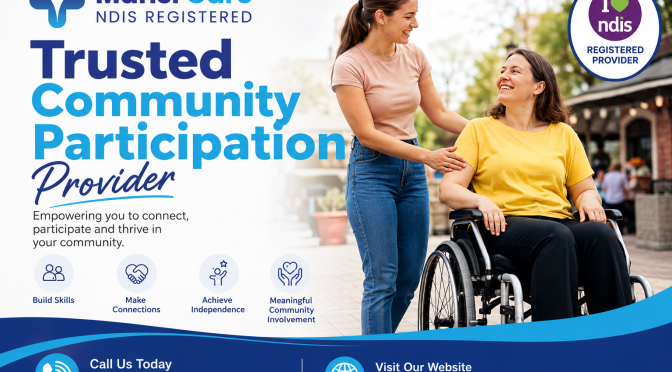
Belonging to a community is truly powerful for everyone. For NDIS participants, community involvement creates meaningful connections and opportunities. These social connections help people live fuller, happier lives. Participating together transforms how participants experience their daily journey forward.
Why Community Matters for NDIS Participants
Community engagement services help participants develop new skills and confidence. Social participation reduces feelings of isolation and loneliness significantly. When participants engage with others, their mental health improves considerably. These services create spaces where everyone feels welcome and valued.
Building Connections Through Disability Community Programs
Disability community programs offer structured activities and support networks. Participants meet people who understand their experiences completely. Shared activities build friendships that last beyond programme hours. Such programmes include sports, arts, learning, and social events.
These programmes address meaningful participation needs directly and effectively. Participants gain confidence through group involvement and peer support.
Access to Quality Support Services
A trusted community participation provider ensures participants receive proper guidance. Quality support makes community activities safe and enjoyable. Skilled facilitators help participants navigate social situations with ease. Providers connect people with resources suited to their needs.
Community spaces offer accessibility features that support diverse participants well. Participants feel secure knowing professionals understand their requirements thoroughly.
Key Benefits of Community Involvement
- Social belonging increases participant satisfaction and life quality
- Participants develop new skills through peer interaction
- Mental health improves with regular social engagement
- Confidence building happens naturally in supportive group settings
- Networks provide ongoing support and encouragement through community engagement services
- Participants experience greater life independence overall
Creating Positive Change Together
Community participation directly impacts wellbeing and quality of life. Participants become more confident in everyday social situations. Peer relationships formed through activities provide lasting support networks. Disability community programs help participants contribute meaningfully to society.
Conclusion
Community participation offers NDIS participants invaluable benefits in 2026. When participants engage with supportive communities, lives transform positively. These connections create lasting friendships and deeper social bonds. A trusted community participation provider ensures quality, safe experiences always.
Looking for meaningful community engagement with quality support? Reach out to our experienced team today. Contact Mansi Care for professional guidance and encouragement. Call 03 9039 2985 or email admin@mansicare.com.au. Visit https://mansicare.com.au/ to explore options with us.
Frequently Asked Questions
- What exactly is community participation for NDIS participants? Community participation refers to engaging in social, recreational, and learning activities within community settings. It helps participants build connections, develop skills, and improve overall wellbeing.
- How does community participation improve mental health? Social interaction reduces isolation, builds confidence, and creates meaningful relationships. Participants feel valued and connected within supportive community environments.
- Are community participation activities safe for all participants? Yes, trusted providers ensure activities are accessible and safe. Facilitators understand individual needs and provide appropriate support.
- Can participants choose their own community activities? Absolutely. Quality providers offer diverse options so participants select activities matching their interests.
- What types of activities are available through community programmes?
Options include sports, arts, education, social events, and leisure activities. Participants can explore various interests and hobbies. - How often should participants engage in community activities? Frequency depends on individual needs and preferences. Consistent engagement produces better outcomes over time.
- Do participants need support to join community activities? Many participants benefit from initial guidance and encouragement. Providers can facilitate introductions and ongoing support.
- How does community participation support independence? Regular social engagement builds confidence and skills gradually. Participants develop abilities to navigate situations independently.
- Can participants maintain friendships made through community programmes?
Yes, many friendships continue beyond programme activities. Participants build lasting connections with peers. - What should I look for in a community participation provider? Seek providers offering diverse activities, trained facilitators, and individualised support. Ensure they prioritise participant safety and preferences.